From sailors’ sails to tiled facades
Walk the riverfront and you’ll feel the city’s long connection to the sea: voyages, spices, maps and a global imagination shaped Lisbon’s architecture, cuisine and character.
Table of Contents
From Phoenicians to the Age of Discoveries
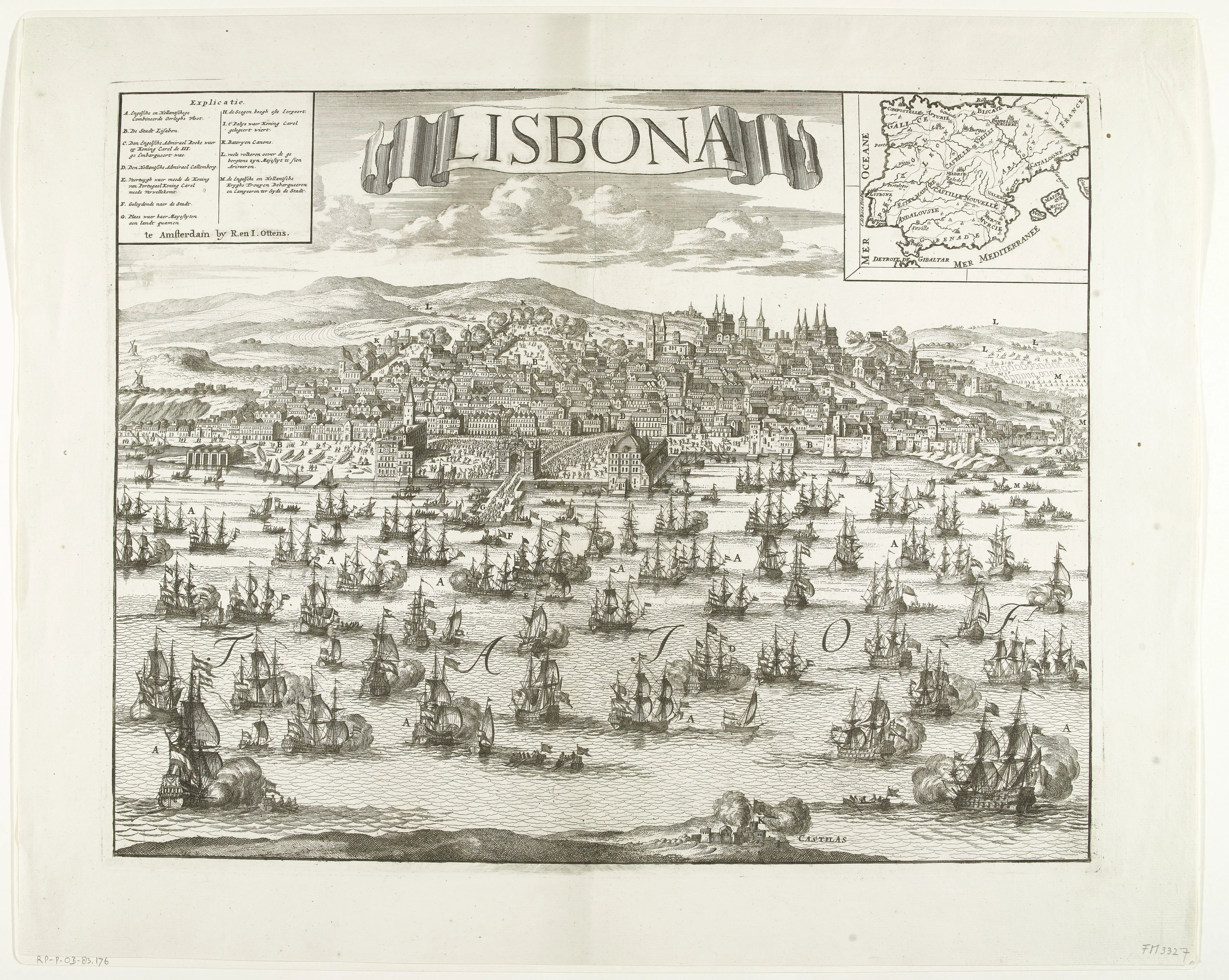
Lisbon’s origins reach back to ancient seafarers: Phoenicians and later Romans established trading posts along the Tagus estuary, drawn by the safe harbor and fertile hinterlands. Over centuries the town grew into a fortified medieval port, its narrow streets and hilltop castle shaping daily life and commerce.
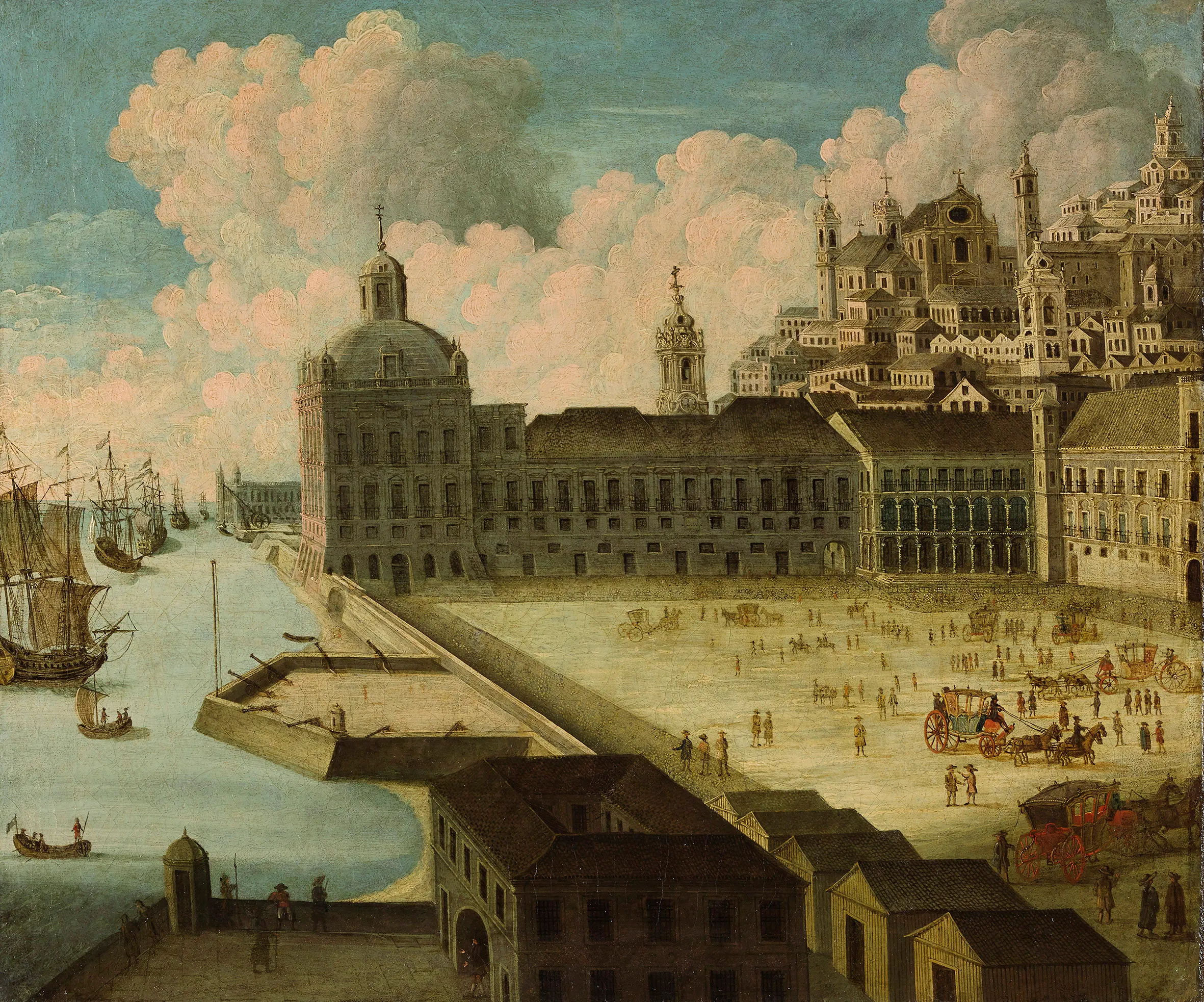
In the 15th and 16th centuries, Lisbon emerged at the centre of a global maritime network. Sailing captains, chartmakers and merchants filled the docks; spices, gold and stories returned from distant shores. This was the age that built monuments, founded monasteries and left Lisbon with an enduring appetite for art, exploration and architectural flourish.
Medieval Lisbon and the royal court
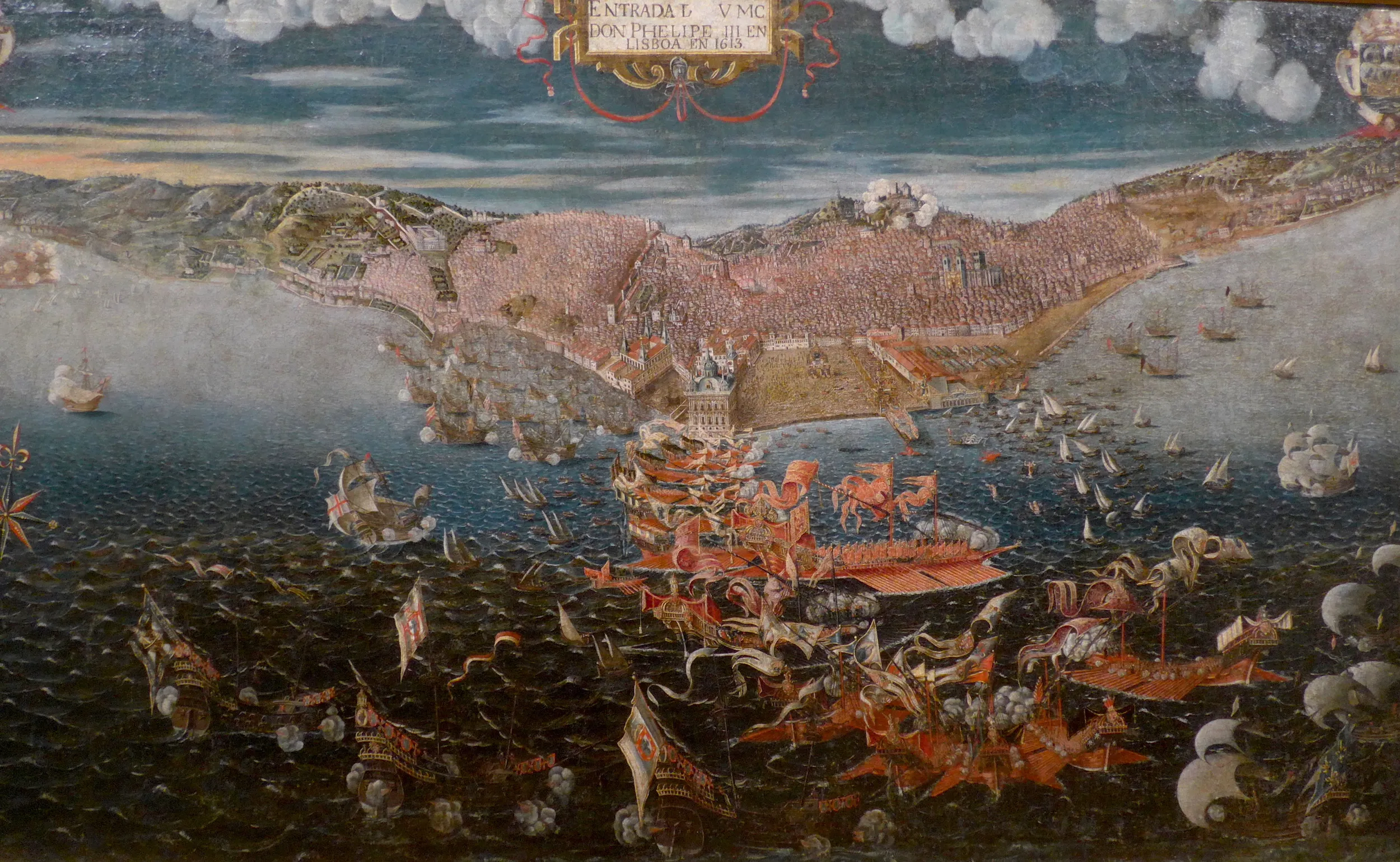
The medieval city grew up beneath its castle, with convents and royal houses shaping politics and culture. Narrow lanes funneled trade down to the river and courtyards held gatherings that linked the city to wider European networks.
Explore the Alfama and São Jorge Castle to feel that continuity: the stonework, the tiled facades, and the layers of apartments built over centuries are living testimony to a city that keeps its past tightly woven into everyday life.
Markets, cafés & daily life
Lisbon’s markets and cafés are where daily life happens. From the market stalls of Mercado da Ribeira to small neighborhood shops in Alfama, local producers, fishermen and bakers keep centuries‑old trade alive alongside modern culinary scenes.
Sit for a coffee and a pastel de nata, watch the city move, and you’ll see how deeply food, community and local rhythms shape Lisbon—often the best way to understand a place once you’ve seen the main sights.
Belém and maritime memory
Belém is the place to feel Portugal’s seafaring past. The Jerónimos Monastery, a masterpiece of Manueline architecture, stands as both a testament to craft and a monument to the navigators whose ships left these docks for distant continents.
Walk the riverfront, visit museums and sail briefly on the Tagus to understand how deeply the sea shaped Lisbon’s identity—then return to a riverside café for quiet reflection.
Palaces, pombaline squares & elegant façades
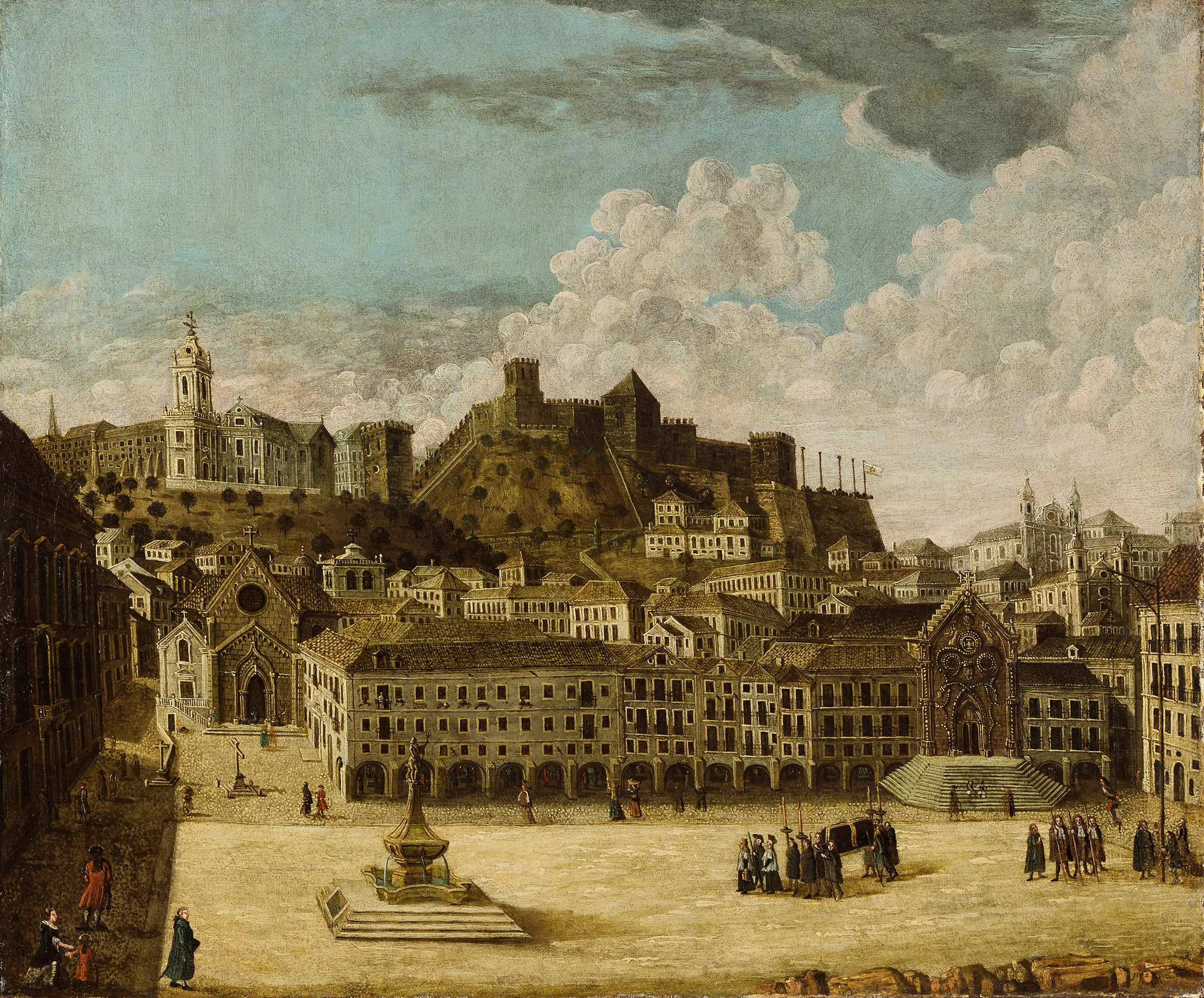
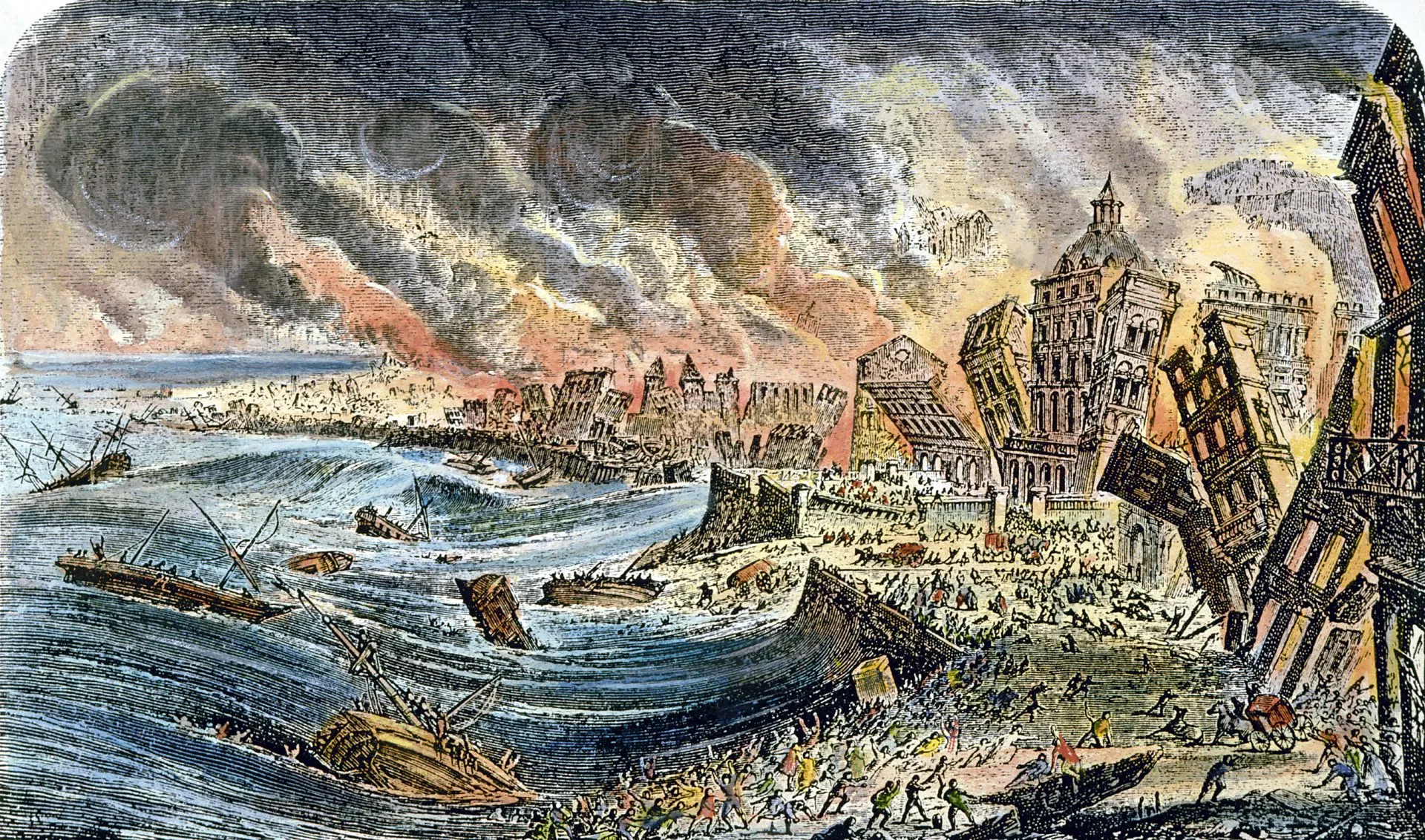
After the 1755 earthquake, the ambitious Pombaline reconstruction introduced elegant, earthquake‑resistant grid layouts in Baixa—broad avenues, regular squares, and handsome façades that contrast with the city’s older maze of lanes.
Stroll these streets to appreciate Lisbon’s layered rebuilding efforts and the civic optimism that reshaped the capital in the 18th century.
Modern Lisbon: culture, cafés and creativity
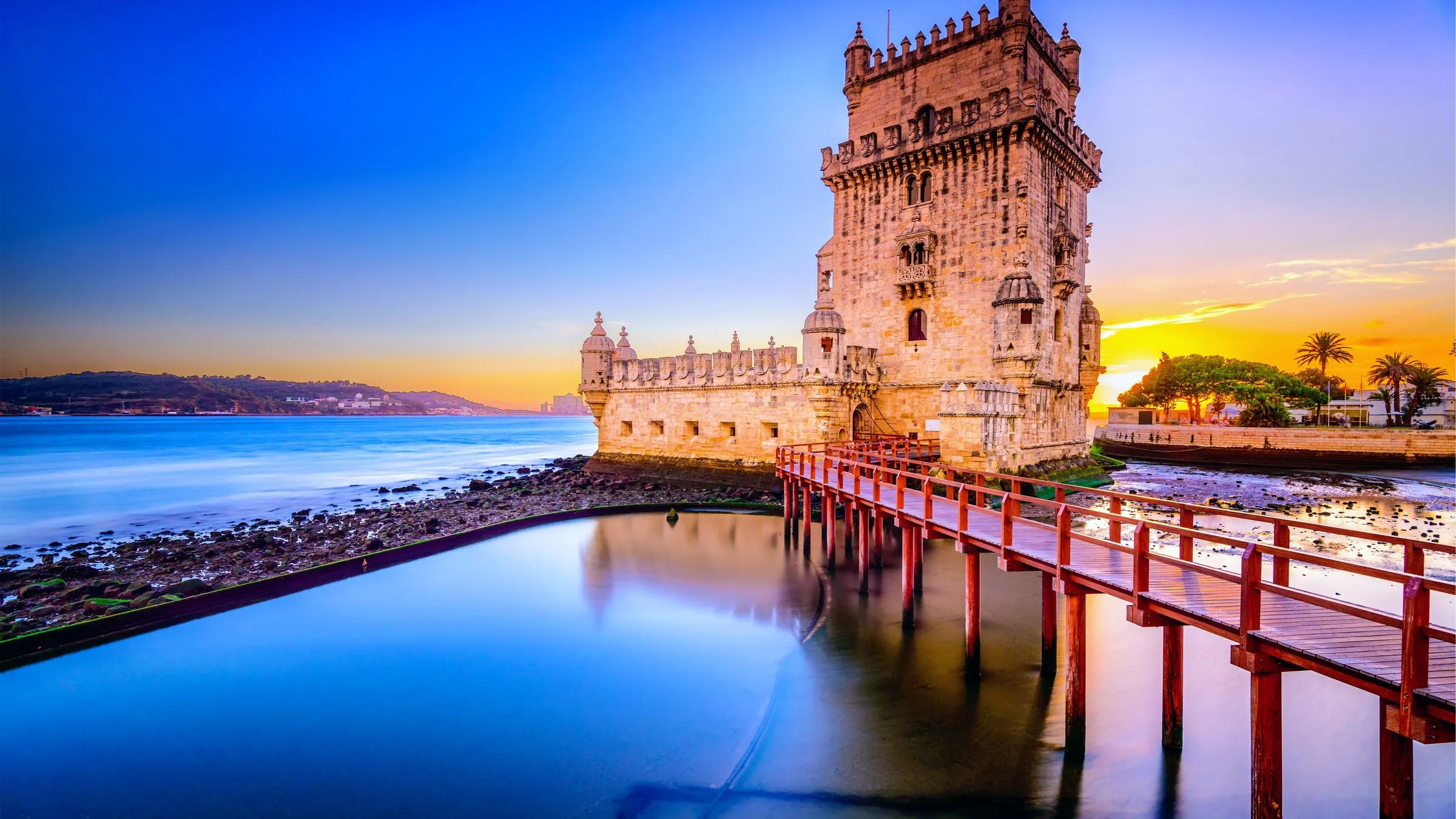
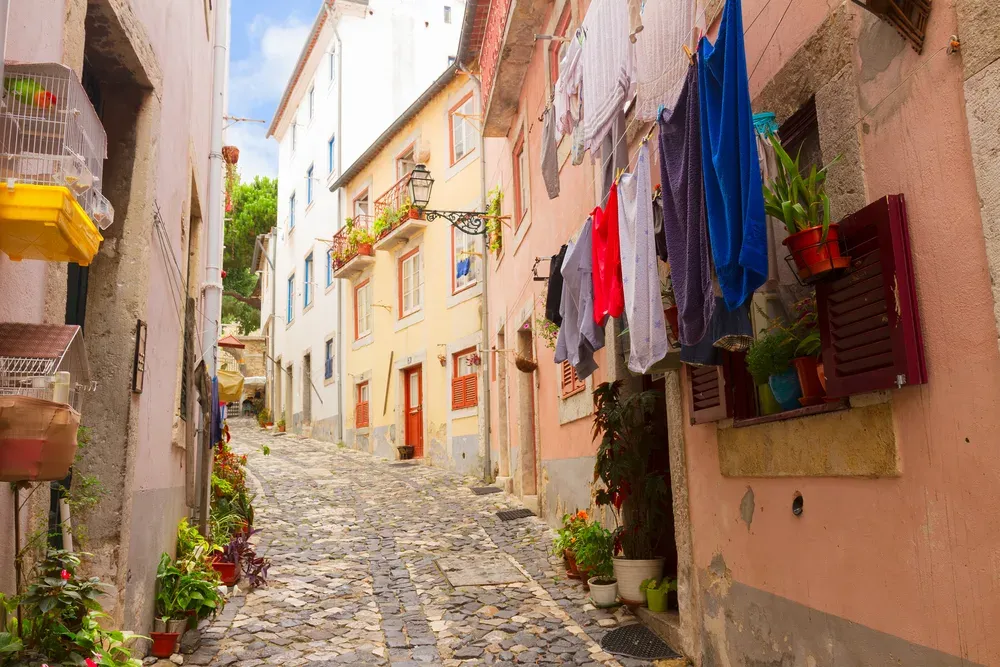
Lisbon today is a lively cultural hub: independent bookshops, contemporary galleries, design shops and rooftop bars sit alongside historic cafés where writers once gathered. Chiado and Bairro Alto pulse with creativity and nightlife.
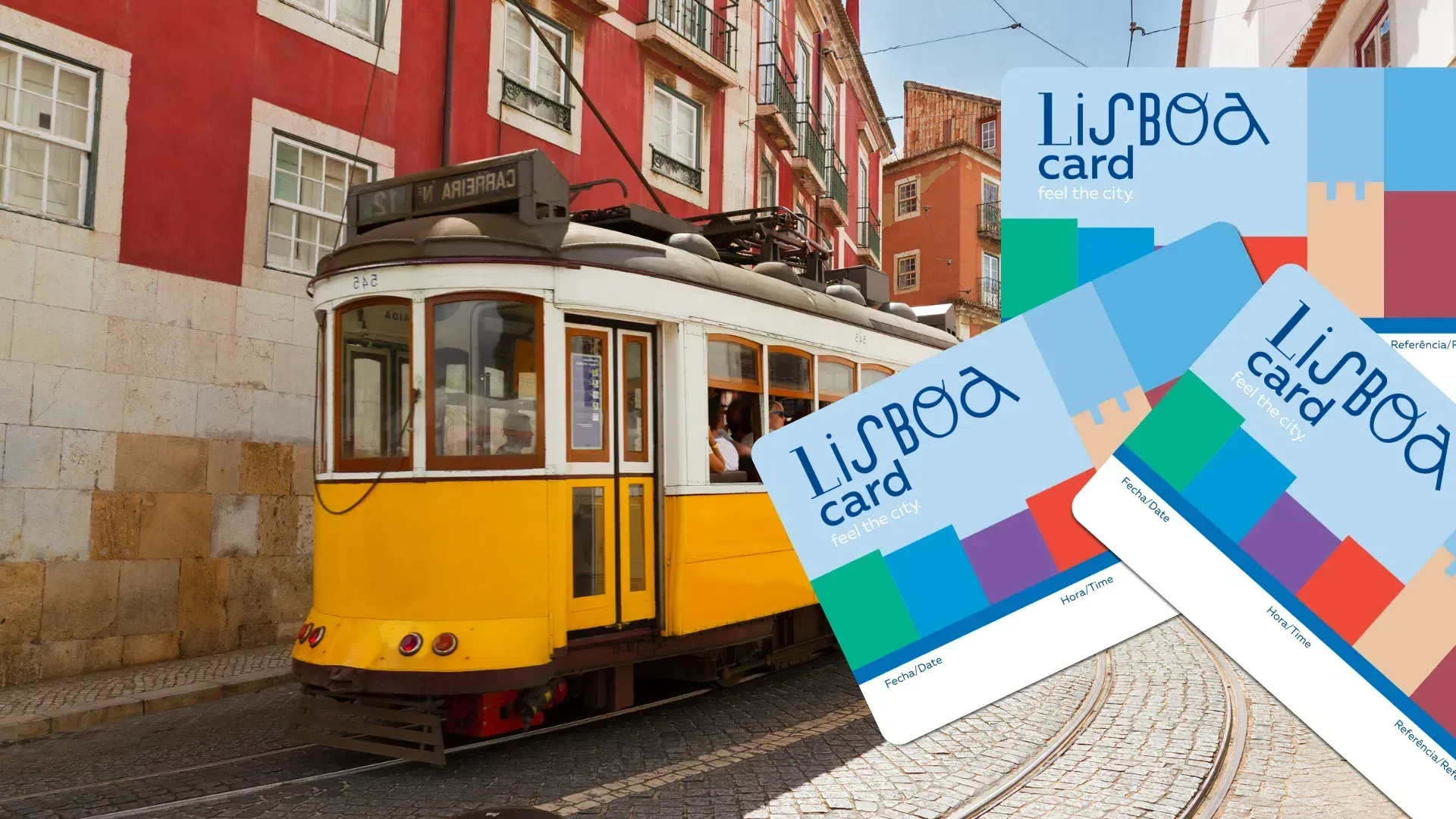
The Tourist Card lets you move between daytime cultural attractions and evening experiences without extra transport cost, making it easy to sample theatre, live music and local cuisine in a single day.
The Tagus River and Lisbon’s seafaring heart
Lisbon’s identity is inseparable from the Tagus: ships moor at its banks, sailors set off at dawn, and many of the city’s museums and monuments open onto the river. Take a short boat trip to appreciate how the city’s geography shaped trade and exploration.
Even a brief riverside walk reveals how past voyages left their mark in stone and memory, from ornate monuments to the exotic objects once displayed in wealthy homes.
Crowds, safety & accessibility
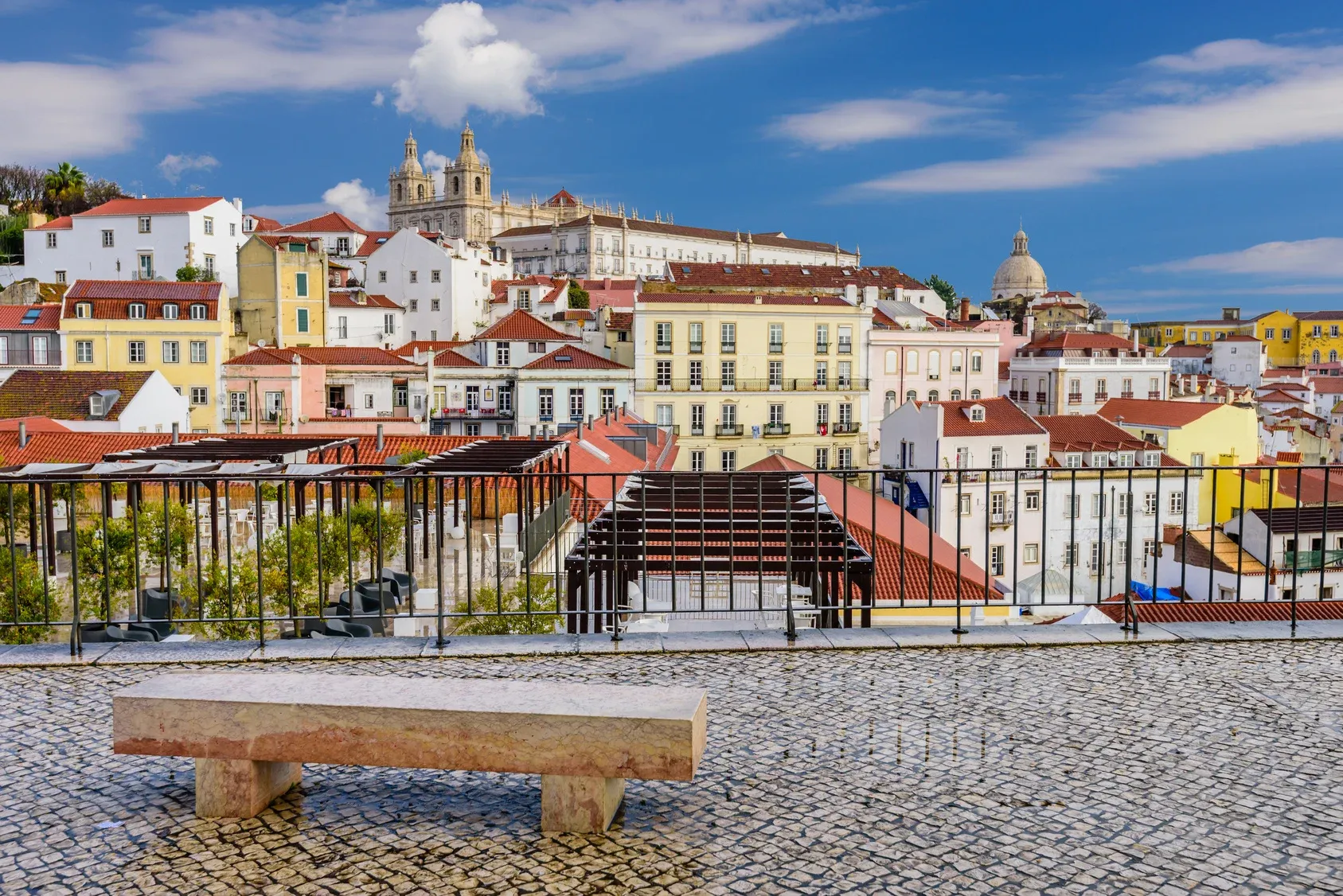
Lisbon is generally safe for visitors; petty theft can happen in crowded places, so keep belongings secure and be mindful in busy trams and tourist hubs. Use official lockers or keep passports in a safe place while exploring.
Accessibility varies: historic streets can be steep and uneven, and not every tram or viewpoint is fully step‑free. The Tourist Card covers elevators and some accessible transport options—plan ahead if mobility is a concern and check specific venue accessibility details.
Festivals, fado & neighborhood rituals
Lisbon’s cultural calendar includes film festivals, music weeks and neighborhood festas where streets fill with sounds, food stalls and dancing. Summer nights in Bairro Alto and small stages across the city feature live music, including the evocative strains of fado.
Evenings are a great time to sample local traditions—sit for a small performance, share a plate of petiscos, and listen: Lisbon’s intangible heritage often lives in everyday conversations and music.
Tickets, passes & smart planning
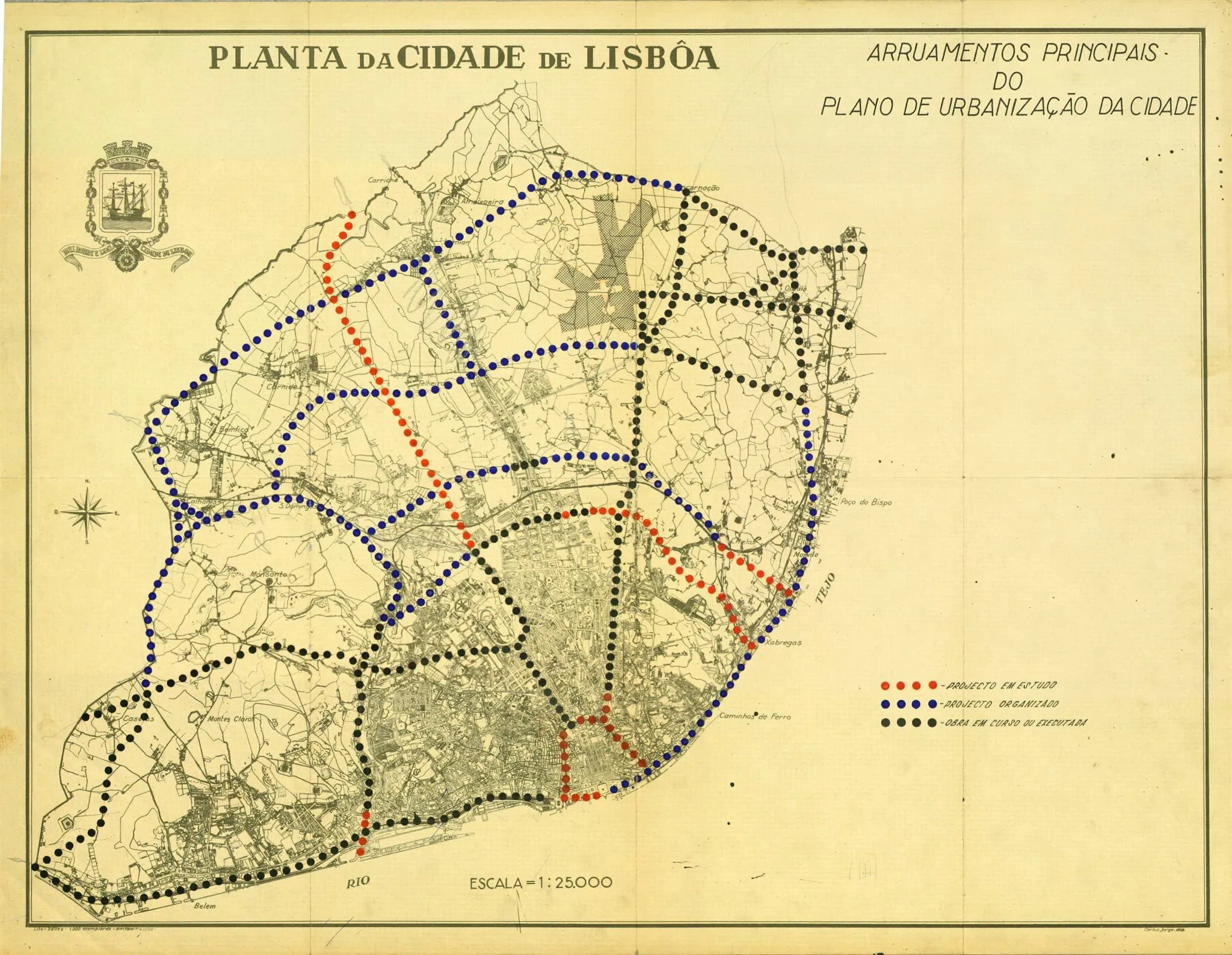
A little planning helps: choose the card duration that covers your busiest sightseeing day, group nearby museums into single mornings, and use transport to bridge longer distances between neighborhoods.
If you have limited time, focus on one riverside and one hillside neighborhood per day. For longer stays, use the card to explore a different side of Lisbon each day—Belém, Alfama, Chiado, and a day trip to Sintra are a popular rhythm.
Preserving Lisbon’s heritage
Lisbon invests in restoring tiles, churches and historic façades while balancing the needs of residents and tourists. Responsible visitation and ticketed entry help fund conservation, and many projects welcome public interest and support.
When you visit museums and monuments included with the Tourist Card, you directly contribute to preserving Portugal’s tangible and intangible heritage—choose quieter times and thoughtful behaviour to help heritage last for future visitors.
Side trips & viewpoints
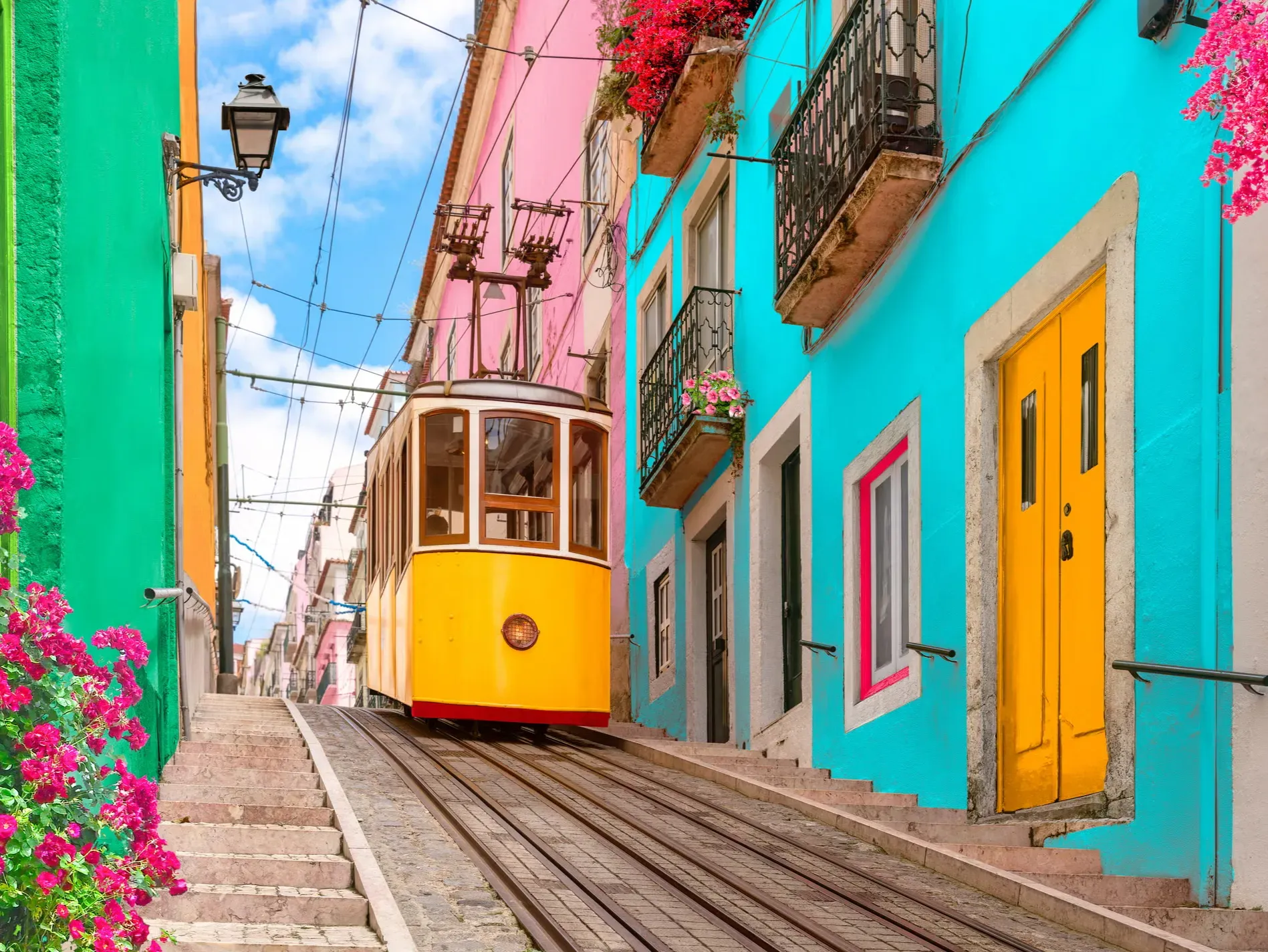
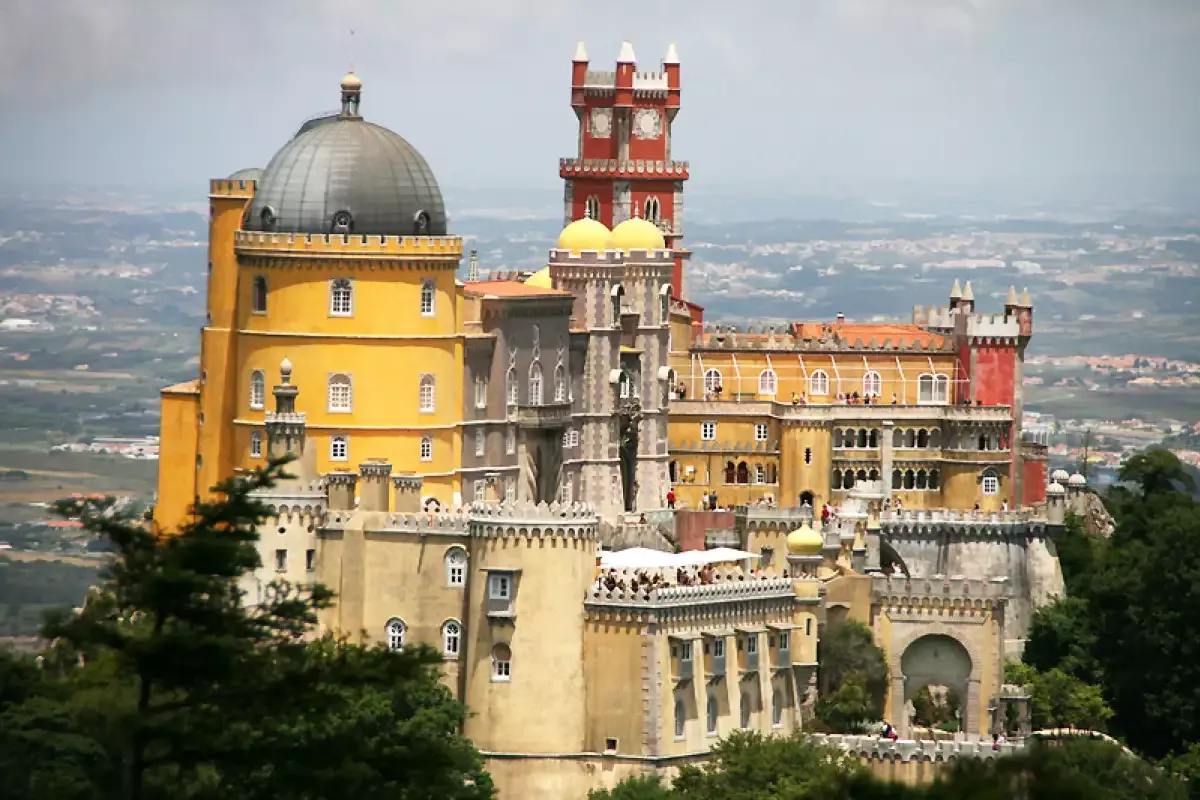
From Lisbon you can easily reach magical side trips: Sintra’s palaces and parkland, the coastal beauty of Cascais, and historic Évora are all reachable by train or short tours—consider a day trip to add variety to your stay.
Back in Lisbon, viewpoints like Miradouro da Senhora do Monte or Miradouro de Santa Catarina reward patient walkers with sweeping city and river panoramas—perfect for golden hour photos.
Why the Lisbon Tourist Card helps tell Lisbon’s story
The card is a practical tool that also shapes your storytelling: by removing friction—paying for trains, trams and entries—you get to spend more time in rooms, streets and conversations that reveal Lisbon’s character. The architecture, the music, the food and the river combine into a long, human story.
At the end of a day guided by the card, you’ll have a mosaic of experiences—monument halls, riverfront cafés and hillside viewpoints—each contributing a thread to a richer, more connected memory of the city.
Table of Contents
From Phoenicians to the Age of Discoveries
Lisbon’s origins reach back to ancient seafarers: Phoenicians and later Romans established trading posts along the Tagus estuary, drawn by the safe harbor and fertile hinterlands. Over centuries the town grew into a fortified medieval port, its narrow streets and hilltop castle shaping daily life and commerce.
In the 15th and 16th centuries, Lisbon emerged at the centre of a global maritime network. Sailing captains, chartmakers and merchants filled the docks; spices, gold and stories returned from distant shores. This was the age that built monuments, founded monasteries and left Lisbon with an enduring appetite for art, exploration and architectural flourish.
Medieval Lisbon and the royal court
The medieval city grew up beneath its castle, with convents and royal houses shaping politics and culture. Narrow lanes funneled trade down to the river and courtyards held gatherings that linked the city to wider European networks.
Explore the Alfama and São Jorge Castle to feel that continuity: the stonework, the tiled facades, and the layers of apartments built over centuries are living testimony to a city that keeps its past tightly woven into everyday life.
Markets, cafés & daily life
Lisbon’s markets and cafés are where daily life happens. From the market stalls of Mercado da Ribeira to small neighborhood shops in Alfama, local producers, fishermen and bakers keep centuries‑old trade alive alongside modern culinary scenes.
Sit for a coffee and a pastel de nata, watch the city move, and you’ll see how deeply food, community and local rhythms shape Lisbon—often the best way to understand a place once you’ve seen the main sights.
Belém and maritime memory
Belém is the place to feel Portugal’s seafaring past. The Jerónimos Monastery, a masterpiece of Manueline architecture, stands as both a testament to craft and a monument to the navigators whose ships left these docks for distant continents.
Walk the riverfront, visit museums and sail briefly on the Tagus to understand how deeply the sea shaped Lisbon’s identity—then return to a riverside café for quiet reflection.
Palaces, pombaline squares & elegant façades
After the 1755 earthquake, the ambitious Pombaline reconstruction introduced elegant, earthquake‑resistant grid layouts in Baixa—broad avenues, regular squares, and handsome façades that contrast with the city’s older maze of lanes.
Stroll these streets to appreciate Lisbon’s layered rebuilding efforts and the civic optimism that reshaped the capital in the 18th century.
Modern Lisbon: culture, cafés and creativity
Lisbon today is a lively cultural hub: independent bookshops, contemporary galleries, design shops and rooftop bars sit alongside historic cafés where writers once gathered. Chiado and Bairro Alto pulse with creativity and nightlife.
The Tourist Card lets you move between daytime cultural attractions and evening experiences without extra transport cost, making it easy to sample theatre, live music and local cuisine in a single day.
The Tagus River and Lisbon’s seafaring heart
Lisbon’s identity is inseparable from the Tagus: ships moor at its banks, sailors set off at dawn, and many of the city’s museums and monuments open onto the river. Take a short boat trip to appreciate how the city’s geography shaped trade and exploration.
Even a brief riverside walk reveals how past voyages left their mark in stone and memory, from ornate monuments to the exotic objects once displayed in wealthy homes.
Crowds, safety & accessibility
Lisbon is generally safe for visitors; petty theft can happen in crowded places, so keep belongings secure and be mindful in busy trams and tourist hubs. Use official lockers or keep passports in a safe place while exploring.
Accessibility varies: historic streets can be steep and uneven, and not every tram or viewpoint is fully step‑free. The Tourist Card covers elevators and some accessible transport options—plan ahead if mobility is a concern and check specific venue accessibility details.
Festivals, fado & neighborhood rituals
Lisbon’s cultural calendar includes film festivals, music weeks and neighborhood festas where streets fill with sounds, food stalls and dancing. Summer nights in Bairro Alto and small stages across the city feature live music, including the evocative strains of fado.
Evenings are a great time to sample local traditions—sit for a small performance, share a plate of petiscos, and listen: Lisbon’s intangible heritage often lives in everyday conversations and music.
Tickets, passes & smart planning
A little planning helps: choose the card duration that covers your busiest sightseeing day, group nearby museums into single mornings, and use transport to bridge longer distances between neighborhoods.
If you have limited time, focus on one riverside and one hillside neighborhood per day. For longer stays, use the card to explore a different side of Lisbon each day—Belém, Alfama, Chiado, and a day trip to Sintra are a popular rhythm.
Preserving Lisbon’s heritage
Lisbon invests in restoring tiles, churches and historic façades while balancing the needs of residents and tourists. Responsible visitation and ticketed entry help fund conservation, and many projects welcome public interest and support.
When you visit museums and monuments included with the Tourist Card, you directly contribute to preserving Portugal’s tangible and intangible heritage—choose quieter times and thoughtful behaviour to help heritage last for future visitors.
Side trips & viewpoints
From Lisbon you can easily reach magical side trips: Sintra’s palaces and parkland, the coastal beauty of Cascais, and historic Évora are all reachable by train or short tours—consider a day trip to add variety to your stay.
Back in Lisbon, viewpoints like Miradouro da Senhora do Monte or Miradouro de Santa Catarina reward patient walkers with sweeping city and river panoramas—perfect for golden hour photos.
Why the Lisbon Tourist Card helps tell Lisbon’s story
The card is a practical tool that also shapes your storytelling: by removing friction—paying for trains, trams and entries—you get to spend more time in rooms, streets and conversations that reveal Lisbon’s character. The architecture, the music, the food and the river combine into a long, human story.
At the end of a day guided by the card, you’ll have a mosaic of experiences—monument halls, riverfront cafés and hillside viewpoints—each contributing a thread to a richer, more connected memory of the city.